Notes / Summer 2026
Learning,
made visible.
Edited blogs and technical notes from a summer spent building a home SOC lab, strengthening networking fundamentals, and learning how security decisions connect across a system.
Featured learning
From concept
to evidence.
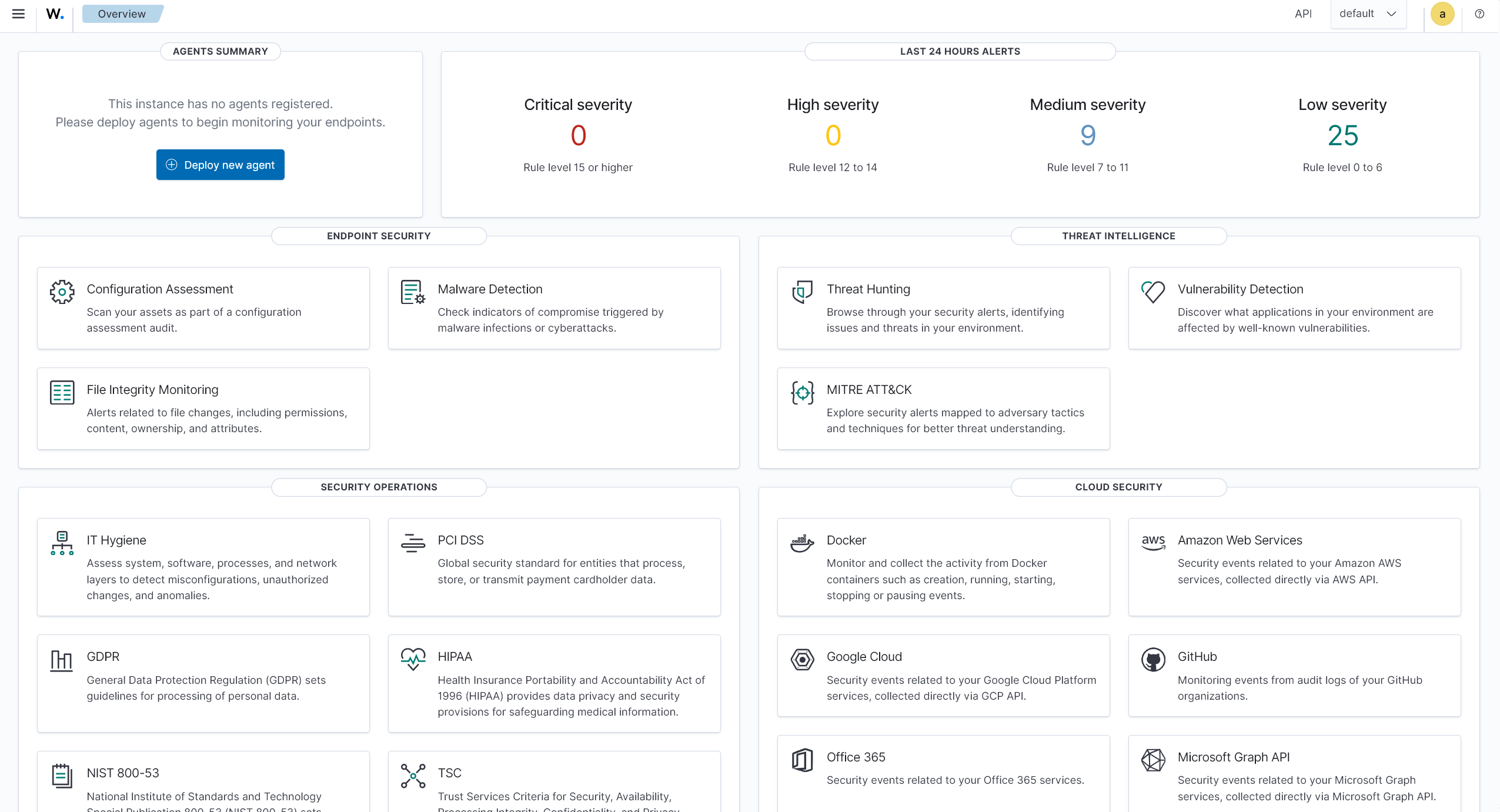
I Triggered an Alert. Then I Investigated It.
Wazuh + Windows EventChannel local-account investigationI created a controlled Windows account event, found it in Wazuh, and learned how an alert becomes a defensible investigation.
Read note → 02 / NetworkingThe Mistake That Made LANs Click
Ethernet switching, ARP, DHCP, and subnetting fundamentalsStar topologies, DHCP, subnetting, ARP, and the correction that finally made local delivery click.
Read note → 03 / Web systemsWhat Happens When You Open a Website?
DNS, HTTP/TLS, CDNs, load balancers, application and data tiersDNS resolution, web servers, load balancers, CDNs, databases, and the security boundaries between them.
Read note →Blogs & build logs
What I learned
I Was Studying Security Wrong
Retrieval practice, project-based learning, and evidence
Why the Cloud Gets Expensive Fast
AWS EC2 resources, scaling, capacity, and billing
Security Never Stands Still
Threat news, system context, and defensive decisions
Can I Catch Malware Without a Black Box?
Python, SHA-256, PE files, entropy, imports, and YARA
From Alert to Action
SOC monitoring, digital forensics, and incident response
Using AI Without Losing the Learning
Architecture, correctness, testing, and responsible AI use
CyberSummer: From Foundations to Investigation
TryHackMe foundations, Windows telemetry, and network investigation
Long-form / Edited
Investigations
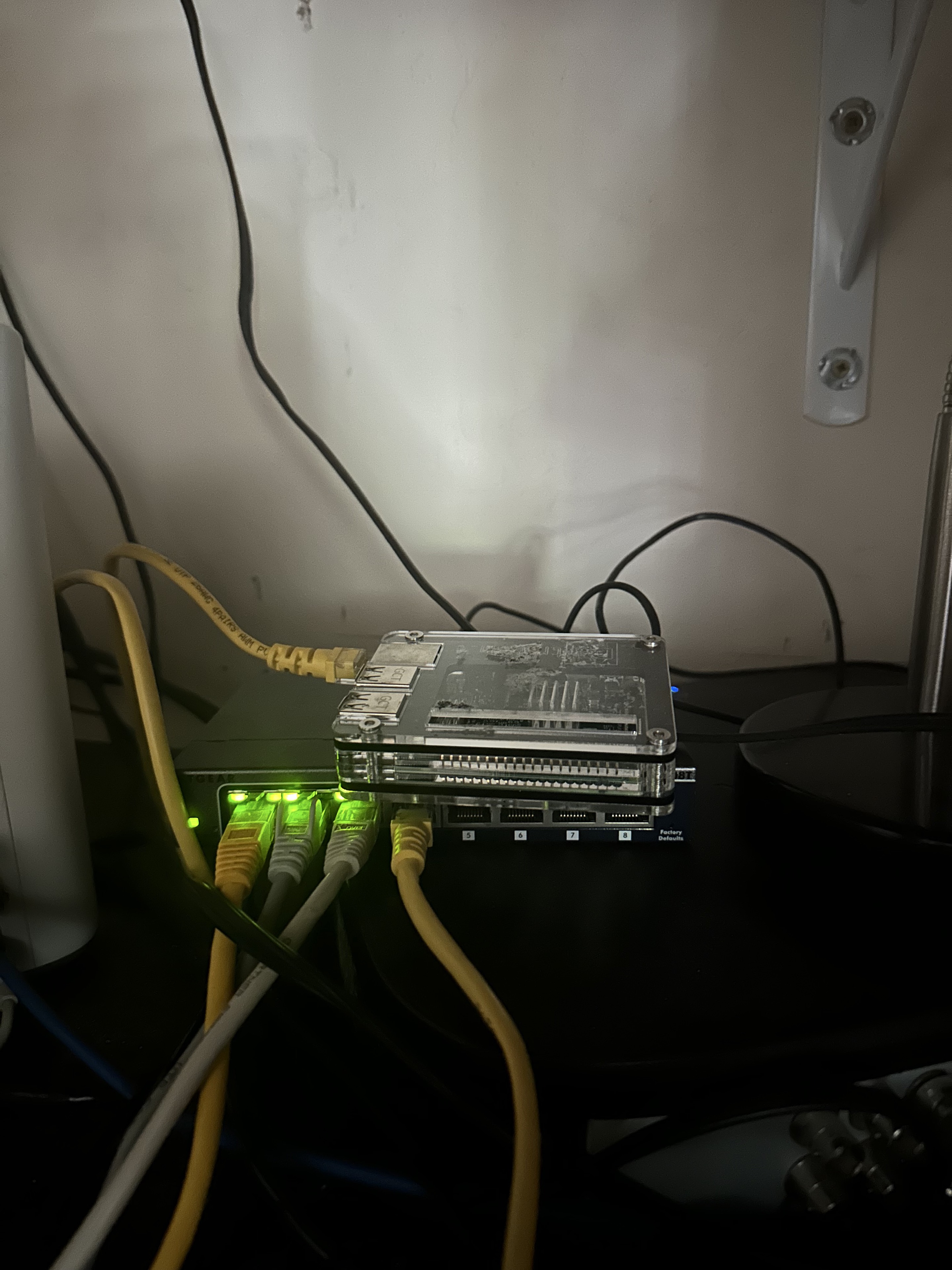
Diagnosing a DNS Filtering Failure
Pi-hole DNS, DHCP, IPv4/IPv6, and gateway-control investigationA failed setup became an investigation into DNS, DHCP, IPv4, IPv6, and router control.
Read investigation →Learning note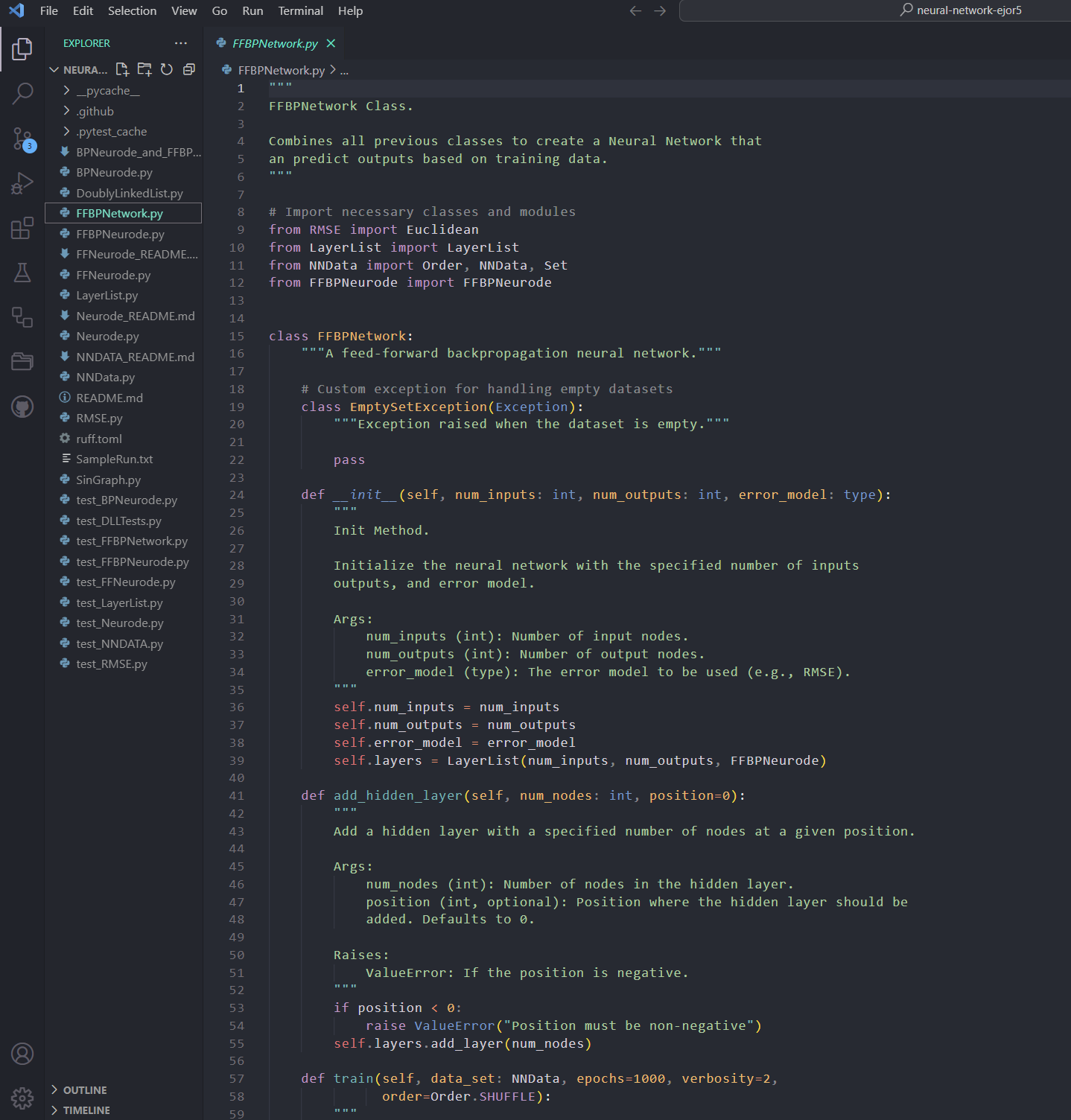
What Is My Computer Really Running?
Linux processes, sockets, services, files, and permissionsProcesses, sockets, permissions, services, and why interpreting output matters more than running commands.
Read note →